
This tested garlic parmesan pasta is a one-pot recipe that takes about 20 minutes from start to finish. Angel hair cooks directly in chicken broth and milk with butter and fresh garlic, then finely grated Parmesan is stirred in to make a light, creamy sauce. It serves four.
With this garlic parmesan pasta there is no pot of water and no colander. The pasta cooks in 4 to 5 minutes, and the starch it releases helps turn the cooking liquid into the sauce.
Table of Contents
Garlic Parmesan Pasta at a Glance
| Serves | 4 |
| Total time | About 20 minutes |
| Pan | 1 large skillet |
| Pasta | 8 oz angel hair, cooked in the sauce for 4 to 5 minutes |
| Liquid | 2 cups chicken broth, 1 cup milk |
| Flavor | 3 tablespoons butter, 4 cloves fresh garlic, ½ cup Parmesan |
| Garnish | Fresh parsley |
| Keeps | 3 days in the fridge, 3 months in the freezer |
Why This One-Pot Garlic Parmesan Pasta Works
- The pasta cooks in the sauce. It absorbs broth, milk and garlic instead of plain water.
- Angel hair is fast. Thin strands cook in minutes, which is what makes a 20-minute dinner possible.
- Butter goes in twice. Two tablespoons cook the garlic, and one more is tossed in at the end for gloss.
- The cheese goes in off the boil. Lower heat and gradual stirring keep the Parmesan smooth.
- The sauce finishes on its own. It looks thin at first and thickens as it stands.
Ingredient Notes
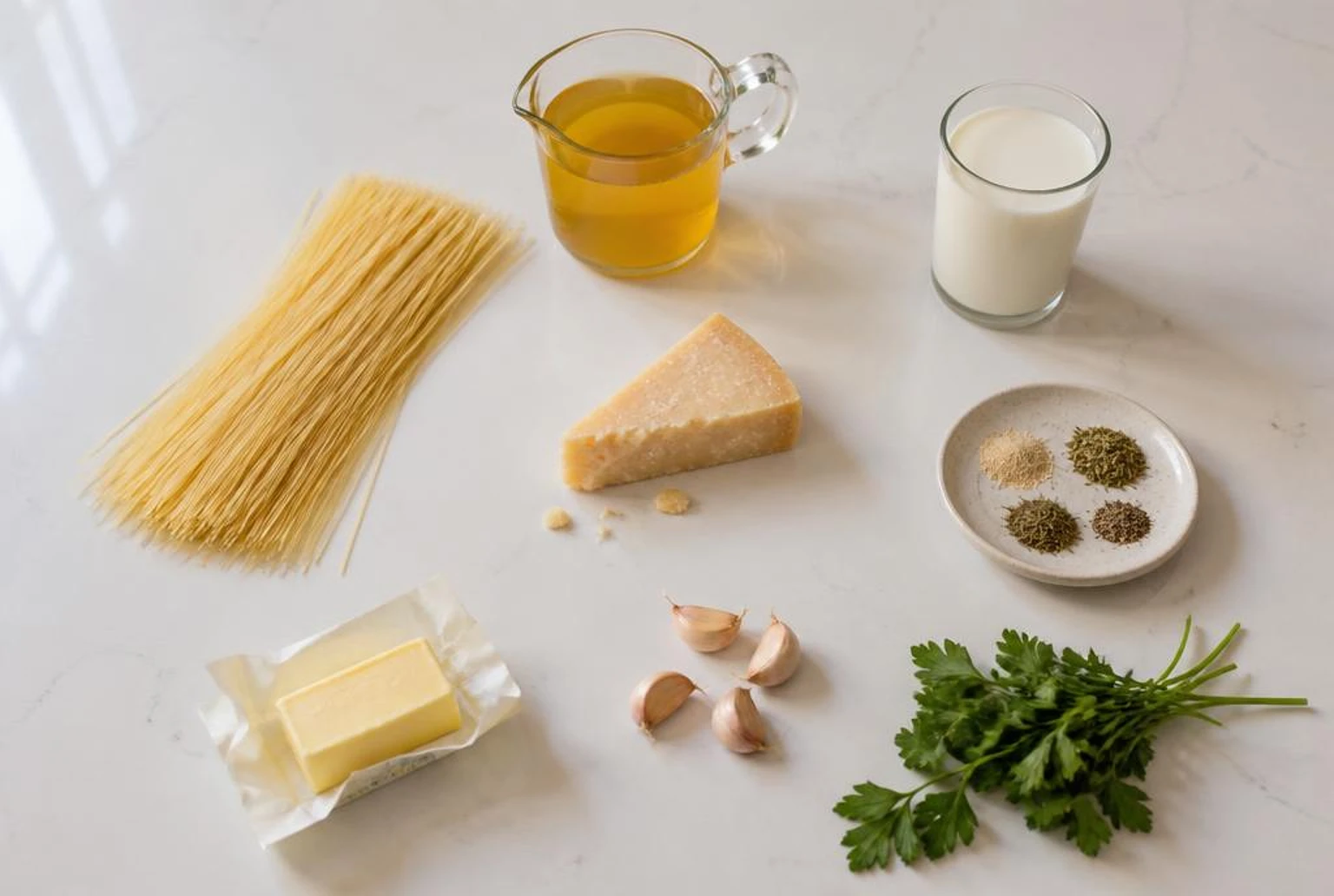
- Angel hair pasta: 8 ounces. It cooks very quickly, so check the package time and set a timer.
- Butter: 3 tablespoons, divided.
- Garlic: 4 fresh cloves, minced.
- Chicken broth: 2 cups.
- Milk: 1 cup. Whole milk gives the best sauce. Half-and-half can replace it for a slightly thicker result. Low-fat milk makes the sauce thin.
- Parmesan: ½ cup, finely grated from a block. Let it sit at room temperature while you cook. Very aged Parmesan melts poorly.
- Optional seasoning: ¼ teaspoon each of onion powder, dried oregano, dried thyme, dried parsley and pepper.
- Fresh parsley: for garnish.
How to Make Garlic Parmesan Pasta, Step by Step
1. Get ready
Before you start the garlic parmesan pasta, grate the Parmesan and leave it at room temperature. Check the cooking time on the pasta package and have a timer ready. Angel hair turns clumpy when it is overcooked.
2. Cook the garlic
Melt 2 tablespoons of the butter in a large skillet over medium heat. Add the minced garlic and cook for 1 to 2 minutes, stirring occasionally.
3. Add the liquids
Pour in the chicken broth and add the optional seasonings. Slowly stir in the milk. Bring the liquid to a boil.
4. Add the pasta
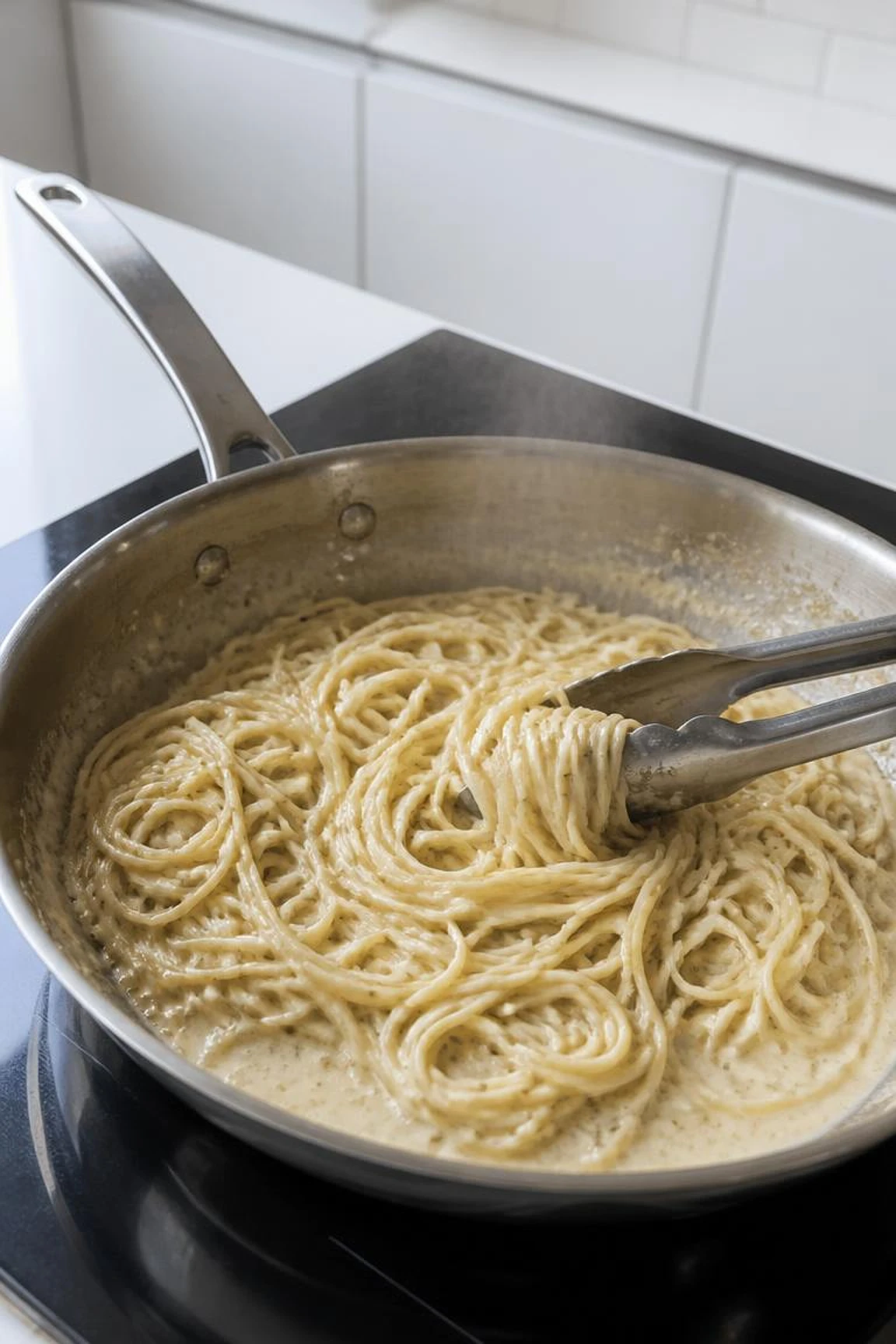
Add the dry angel hair. As the strands soften, use tongs to twist them down into the liquid until they are all submerged.
5. Cook
Cook for 4 to 5 minutes, stirring occasionally so the noodles do not stick. Reduce the heat to low.
6. Finish with butter and Parmesan
Add the last tablespoon of butter and toss to coat. Sprinkle in the Parmesan gradually, stirring until the sauce is smooth. It will look thin at first and thickens as it stands.
7. Serve
Garnish the garlic parmesan pasta with fresh parsley and serve, ideally with garlic bread.
Using Spaghetti Instead of Angel Hair
| Angel hair | Regular spaghetti | |
|---|---|---|
| Chicken broth | 2 cups | 2½ cups |
| Milk | 1 cup | 1½ cups |
| Parmesan | ½ cup | Up to ⅓ cup more |
| Cook time | 4 to 5 minutes | 12 to 15 minutes, or per package |
For garlic parmesan pasta with spaghetti, thicker pasta needs more liquid and more time. These adjusted amounts are part of the tested recipe.
How One-Pot Pasta Makes Its Own Sauce
When pasta boils in a big pot of water, the starch it releases is poured down the drain. In a one-pot recipe, that starch stays in the pan. As the angel hair cooks in a measured amount of broth and milk, the liquid reduces and the starch thickens it slightly. By the time the pasta is tender, what is left in the skillet is already halfway to a sauce. The butter and Parmesan finish it.
This is also why the amounts matter. Two cups of broth and one cup of milk are just enough to cook 8 ounces of angel hair and leave a light sauce behind. Make sure the liquid is at a full boil before the pasta goes in, so the cooking time on the package holds true.
Working With Angel Hair
- Set a timer. The difference between tender and mushy is about a minute.
- Use tongs. They let you twist and turn the strands so they separate as they soften.
- Do not break the pasta. In a wide skillet the strands soften and slide under the liquid within a minute.
- Keep it moving. A stir every 30 seconds or so prevents sticking.
- Serve it promptly. Thin pasta keeps absorbing sauce as it sits.
Getting the Garlic Right
Four cloves of fresh garlic are the main flavor in this garlic pasta, so treat them carefully. Mince the cloves finely and evenly. Cook them in the melted butter over medium heat for only 1 to 2 minutes, stirring now and then. The garlic should smell sweet and look pale. Once it turns brown it tastes bitter, and that bitterness carries through the whole sauce. Fresh cloves are worth it here.
Adding the Parmesan
| Do | Why |
|---|---|
| Grate it finely from a block | Fine shreds melt almost instantly |
| Let it come to room temperature | Cold cheese cools the sauce and melts unevenly |
| Lower the heat first | Very hot dairy can turn grainy |
| Add it gradually | Each handful blends in before the next |
| Stir constantly | Keeps the sauce smooth |
The sauce will look loose right after the cheese goes in. Give it a few minutes off the heat and it tightens up and clings to the pasta.
Milk or Half-and-Half?
| Dairy | Sauce |
|---|---|
| Whole milk | Light and creamy. The tested default |
| Half-and-half | Slightly thicker and richer |
| 1% or skim milk | Too thin |
Making It a Full Meal
On its own, garlic parmesan pasta is a simple bowl of pasta. With one addition it becomes dinner. Cook chicken, shrimp or steak in a separate pan and set it on top. Roasted broccoli is a good vegetable side. For a seafood version, stir in 1 to 2 cans of minced clams with the chicken broth.
Why Broth and Milk?
Each liquid does a different job. Chicken broth seasons the pasta from the inside as it cooks and gives the sauce a savory base. Milk adds creaminess and a gentle sweetness, and it helps the Parmesan melt into something smooth instead of stringy. Cooking pasta in milk alone would scorch and taste heavy. Cooking it in broth alone would give a thin, salty sauce. Two parts broth to one part milk is the tested balance.
Stir the milk in slowly after the broth, as the recipe directs, and keep an eye on the pan as it comes to a boil. Milk can foam up quickly, so lower the heat a little if it threatens to climb the sides.
The Right Skillet
Use a large, wide skillet, about 12 inches across, with sides at least 2 inches high. Angel hair is long, and a wide pan lets the strands lie down in the liquid as soon as they soften. A deep sauté pan or a wide, shallow Dutch oven also works. A small saucepan does not, because the pasta will stand out of the liquid and cook unevenly.
Butter at the Start and at the End
The 3 tablespoons of butter are divided on purpose. The first 2 tablespoons are the cooking fat for the garlic, and they carry its flavor through the whole dish. The final tablespoon goes in after the pasta is cooked and the heat is low. Tossed in at that point, it coats the strands, adds shine and gives the sauce a rounder, richer taste. It is a small step that makes the pasta taste finished.
How the Sauce Should Look
Right after the Parmesan goes in, there will be a pool of thin, milky sauce in the bottom of the skillet. That is correct. Over the next few minutes, the angel hair absorbs some of it and the cheese and starch thicken the rest. By the time it reaches the table, the sauce should cling to the strands in a light, glossy coating, with just a little extra in the bottom of the bowl. If you wait too long and it tightens up, a splash of warm broth or milk loosens it again.
Seasoning Options
| Option | What it tastes like |
|---|---|
| No seasoning | Pure butter, garlic and Parmesan |
| The optional mix (onion powder, oregano, thyme, parsley, pepper) | A light herb background |
| Italian seasoning plus extra pepper | A reader favorite, a little bolder |
Because the Parmesan and the broth both contain salt, taste the finished pasta before adding any. Most of the time it needs none.
A Good Recipe for New Cooks
This is one of the easiest pasta recipes to learn on. There are few ingredients, a single pan, and no draining of boiling water. The two skills it teaches are useful everywhere: cooking garlic gently without browning it, and melting cheese into a sauce over low heat. Read the recipe through once, grate the cheese first and set a timer, and it is hard to go wrong.
Serving Sizes
The recipe makes four servings as a side dish or a light main course. With a protein on top and a vegetable on the side, 8 ounces of pasta is a comfortable dinner for four.
Step Timing
- Grate the Parmesan and mince the garlic: about 5 minutes.
- Melt the butter and cook the garlic: 1 to 2 minutes.
- Add the broth and milk and bring to a boil: about 5 minutes.
- Cook the angel hair: 4 to 5 minutes.
- Toss with butter and Parmesan and let the sauce settle: 2 to 3 minutes.
The 20-minute total and the pasta time come from the tested recipe. The other step times are approximate and depend on your stove.
Pairing It With Chicken Piccata
Garlic parmesan pasta is the pasta most often served under chicken piccata. The mild, buttery noodles balance the sharp lemon and capers, and the extra piccata sauce runs into the pasta on the plate. If you are making both, sear and sauce the chicken first and keep it warm, covered, on the lowest heat. The pasta takes only a few minutes in a second skillet, so cook it last and serve everything hot.
Kid-Friendly Notes
This is an easy dish to serve to children. The flavors are mild, the sauce is creamy, and thin angel hair is simple to eat. Leave out the optional pepper and dried herbs for a plainer bowl, and skip the parsley on their portions if green flecks are a problem.
Common Mistakes to Avoid
- Adding pasta before the liquid boils. The timing will be off and the noodles can turn gummy.
- Walking away. Angel hair needs stirring and a timer.
- Browning the garlic. Keep the heat at medium.
- Adding cheese over high heat. Reduce to low first.
- Using pre-grated Parmesan. It does not melt as smoothly.
- Judging the sauce too early. It thickens as it stands.
Troubleshooting
| Problem | Likely cause | Fix |
|---|---|---|
| Noodles are clumpy | Angel hair was overcooked | Set a timer and stir while it cooks |
| Sauce is grainy | Cheese added to very hot liquid | Lower the heat first and add the Parmesan gradually |
| Sauce is too thin | Low-fat milk, or served immediately | Use whole milk or half-and-half, and let it stand a few minutes |
| Cheese did not melt | Pre-grated or very aged Parmesan | Grate a block of good Parmesan yourself |
| Pasta stuck together | Not stirred, or liquid not boiling | Bring the liquid to a boil first and twist the noodles with tongs |
| Garlic tastes bitter | Garlic browned | Cook it gently for only 1 to 2 minutes over medium heat |
Easy Swaps and Add-Ins
| Instead of, or in addition | Use |
|---|---|
| Milk | Half-and-half |
| Angel hair | Regular spaghetti, with the adjustments above |
| The optional seasonings | Italian seasoning plus extra pepper |
| ½ cup Parmesan | About ¼ cup more, for a cheesier sauce |
| Plain pasta | 1 to 2 cans of minced clams (6.5 oz each), added with the chicken broth |
Storage
- Refrigerate: leftover garlic parmesan pasta in an airtight container for up to 3 days.
- Freeze: for up to 3 months.
For general guidance on keeping leftovers, see the cold food storage chart on FoodSafety.gov.
What to Serve With Garlic Parmesan Pasta
Garlic parmesan pasta works as a light main dish or as a side. To make it a full dinner, add a protein such as chicken, shrimp, steak or pork chops. It is a natural match for chicken piccata, since the extra lemon caper sauce is made to be spooned over pasta. Roasted broccoli and cheesy garlic bread round out the plate.
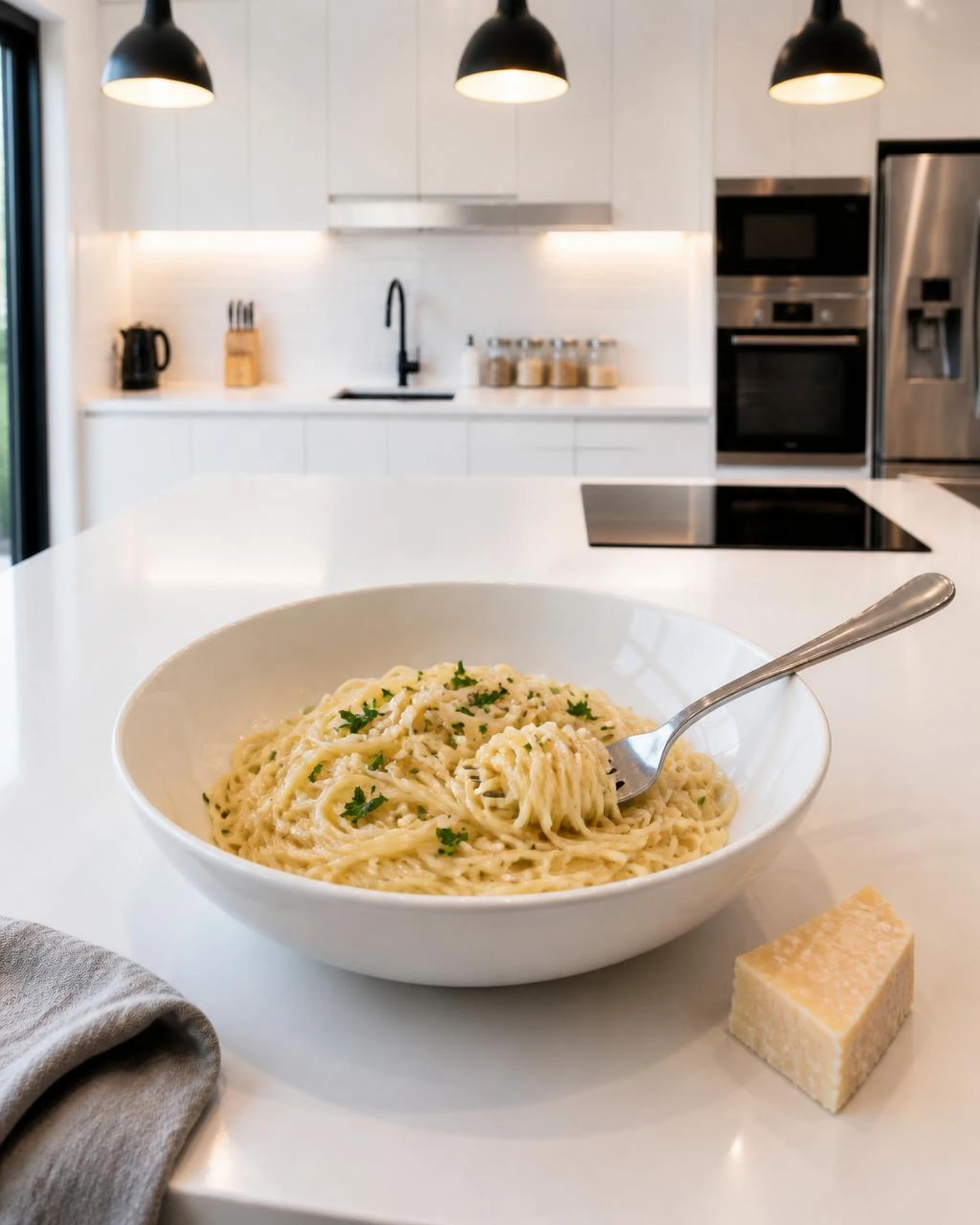
More quick pasta dinners: cherry tomato pasta, lemon shrimp pasta, chicken alfredo pasta and Mediterranean pasta.
For a main dish to serve with it, try this roasted pork tenderloin with a garlic pan sauce.
Garlic Parmesan Pasta FAQ
How long does garlic parmesan pasta take?
About 20 minutes from start to finish. The angel hair itself cooks in 4 to 5 minutes.
Do I boil the pasta separately?
No. For one pot garlic parmesan pasta, the dry pasta goes straight into the boiling broth and milk and cooks in the skillet.
Can I use spaghetti?
Yes. Garlic parmesan pasta works with spaghetti. Add ½ cup more broth, ½ cup more milk and up to ⅓ cup more cheese, and cook for 12 to 15 minutes.
Can I use half-and-half instead of milk?
Yes. Half-and-half makes a slightly thicker, creamy garlic parmesan pasta sauce.
Why is my sauce thin?
It thickens as it stands, so give it a few minutes. Low-fat milk also makes a thinner sauce. Use whole milk or half-and-half.
Why did the cheese clump?
The liquid was too hot, or the cheese was pre-grated. Lower the heat and add freshly grated Parmesan a little at a time.
What kind of Parmesan should I buy?
A block of good Parmesan that you grate yourself. Very aged cheese does not melt as well.
What protein goes with it?
Chicken, shrimp, steak and pork chops all pair well with garlic parmesan pasta.
Can I freeze it?
Yes. Garlic parmesan pasta freezes for up to 3 months.
Are the seasonings required?
No. The onion powder, oregano, thyme, parsley and pepper are optional.
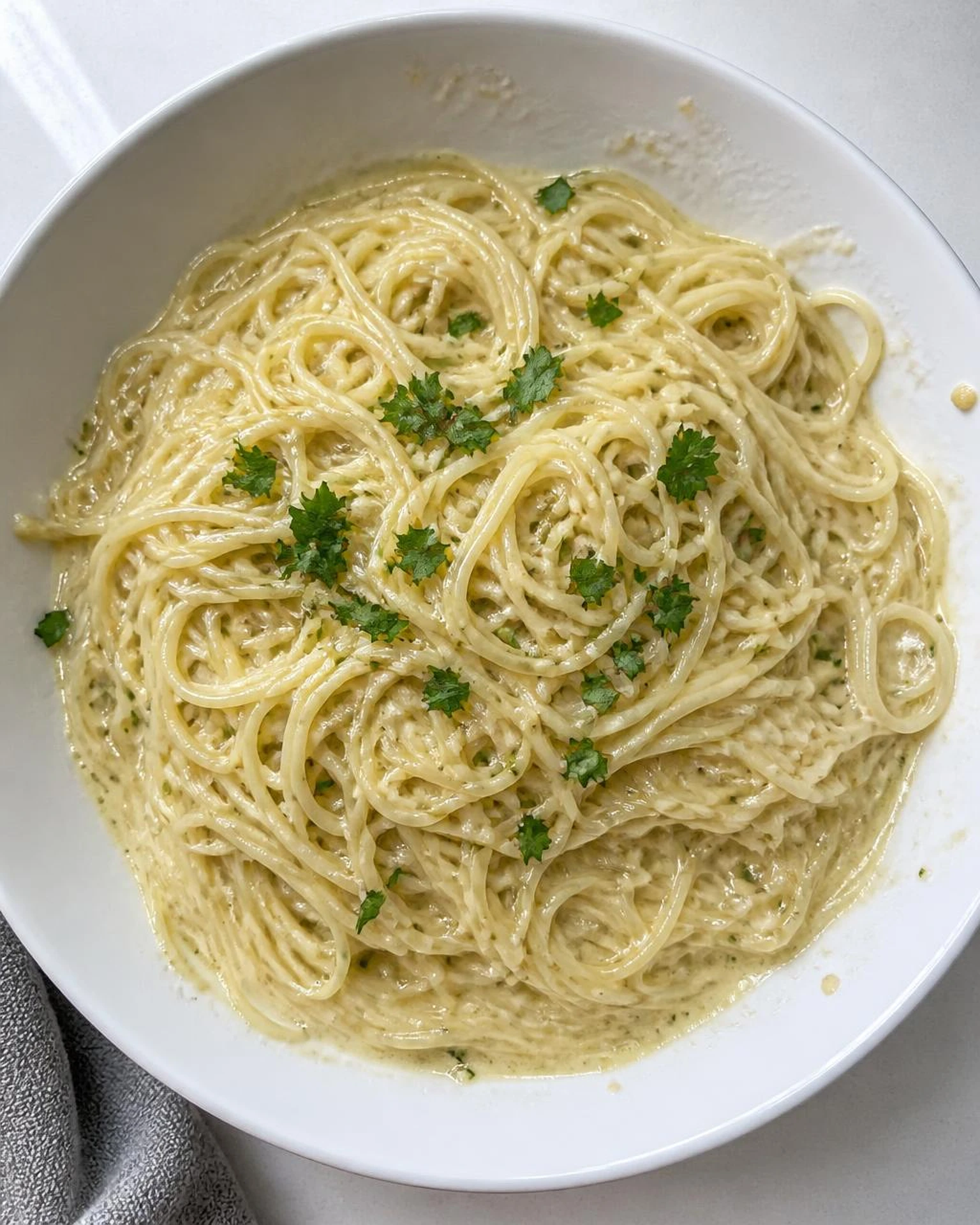
Garlic Parmesan Pasta (One Pot)
Ingredients
Method
- Grate the Parmesan and let it sit at room temperature. Set a timer based on the pasta package directions.
- Melt 2 tablespoons of butter in a large skillet over medium heat. Add the garlic and cook 1 to 2 minutes, stirring occasionally.
- Add the chicken broth and the optional seasonings. Slowly stir in the milk and bring to a boil.
- Add the dry pasta, using tongs to twist the noodles into the liquid as they soften.
- Cook 4 to 5 minutes, stirring occasionally so the noodles do not stick. Reduce the heat to low.
- Add the remaining 1 tablespoon of butter and toss to coat.
- Gradually sprinkle in the Parmesan, stirring until smooth. The sauce is thin at first and thickens as it stands.
- Garnish with parsley and serve.
1 thought on “Garlic Parmesan Pasta”